
Structural Kitchen Remodeling Contractor for Functional Interior Upgrades
Kitchen remodeling solutions focused on layout improvement and material integration
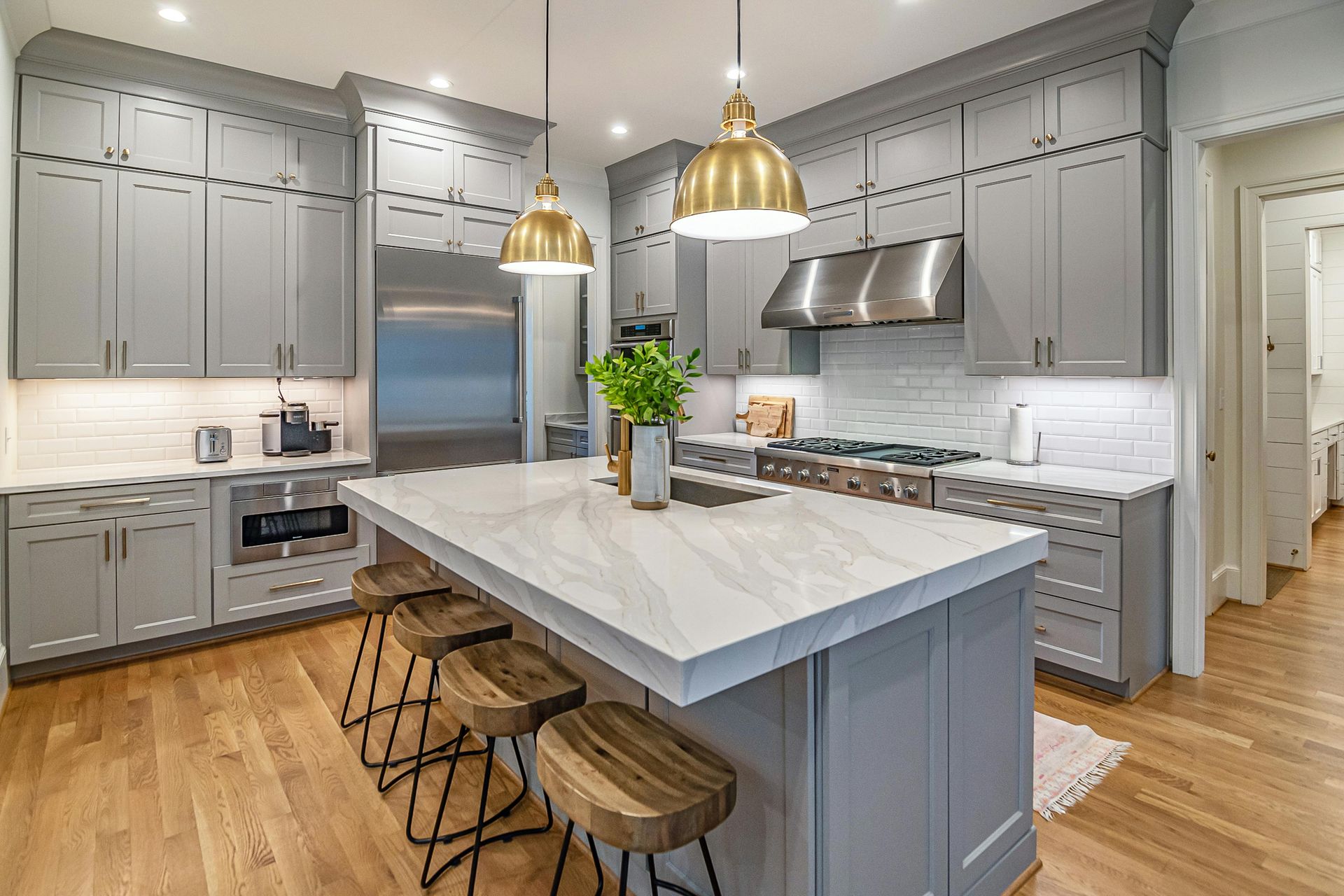
Kitchen Remodeling Planning and Construction Process
Kitchen remodeling refers to the structured modification of interior kitchen components, including cabinetry, surfaces, fixtures, and supporting systems to improve usability and organization. At Jeff Miller Builders in Essexville, MI, the process begins with evaluating the existing layout, identifying structural limitations, and mapping out improvements that align with functional requirements.
The workflow starts with controlled removal of outdated installations, ensuring surrounding structures remain stable. After clearance, measurements are taken to guide the placement of new cabinetry, countertops, and integrated fixtures. Materials are selected based on durability, compatibility, and ease of maintenance.
Installation follows a step-by-step sequence where base structures are secured first, followed by surface elements and final fittings. Plumbing and electrical components are adjusted to align with updated configurations, ensuring proper operation of appliances and fixtures.
Each stage is carefully coordinated to reduce delays and maintain consistent progress. Finishing work includes sealing, alignment checks, and surface adjustments to ensure all components fit together properly. This structured approach allows Jeff Miller Builders
to deliver remodeling work that supports long-term functionality and improved spatial organization.
Core Service Highlights and Functional Advantages
Kitchen remodeling plays a key role in improving structural arrangement and supporting efficient use of space. At Jeff Miller Builders in Essexville, MI, each project is managed through a clear sequence of planning, installation, and finishing stages.
🔨
Layout Reconfiguration:
Adjusts spatial flow for better movement and usability
🧩
Cabinet Installation:
Aligns storage units for structured and organized placement
🪚
Surface Upgrades:
Improves countertops and work areas for daily functionality
⚙️
System Adjustment:
Coordinates plumbing and electrical integration during setup
🧼
Finish Work: Completes edges, sealants, and alignment for clean final output
This ensures that all components work together without conflict or misalignment. Proper coordination between materials and layout helps maintain durability and reduces future adjustment needs. Additional attention is given to material selection, measurement accuracy, workflow organization, on-site coordination, and scheduling efficiency to support consistent project outcomes.
The process is important for replacing outdated setups and improving overall function through organized construction steps. Each phase is executed in order, helping maintain stability and consistent results throughout the project. For service inquiries or project scheduling, contact Jeff Miller Builders
at (989) 261-9011.
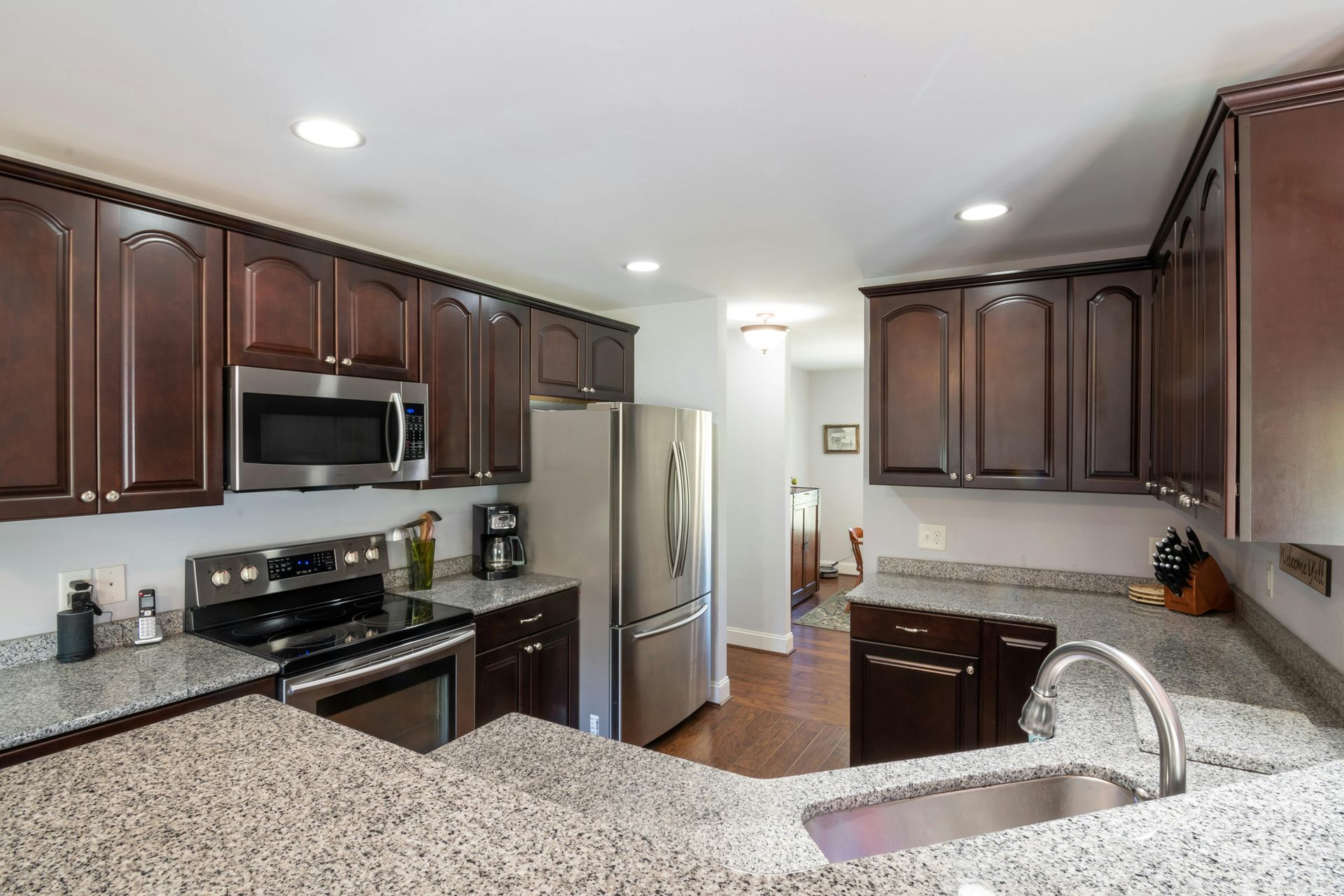
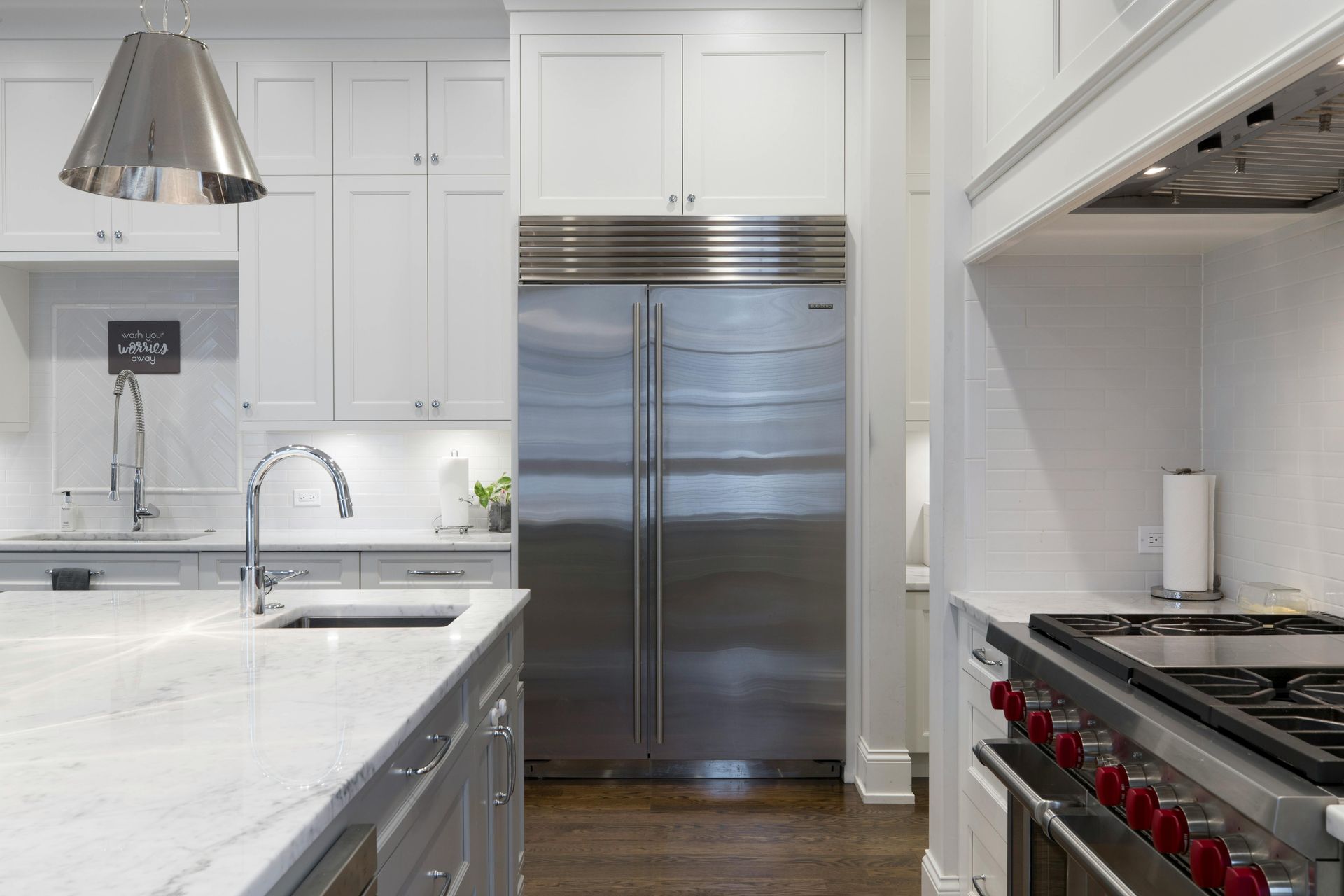
Kitchen Remodeling Execution and System Coordination
Kitchen remodeling execution involves a structured series of steps designed to ensure proper installation and system alignment. At Jeff Miller Builders in Essexville, MI, the process begins with layout preparation and material planning, followed by careful dismantling of existing components without affecting surrounding areas.
New installations are completed in stages, starting with foundational framing and cabinetry placement. Countertops, fixtures, and surface elements are then installed with attention to spacing and alignment. Plumbing and electrical systems are adjusted to match the updated configuration, ensuring proper functionality and safety.
Final checks include surface inspection, sealing, and adjustment of fittings to confirm proper alignment and durability. This structured execution method ensures all remodeling elements work together efficiently. Jeff Miller Builders maintains consistency across each phase, supporting reliable outcomes and improved kitchen functionality.
Additional focus is placed on workflow coordination, material compatibility, site preparation, scheduling efficiency, and resource planning to reduce delays and ensure smooth progression. Proper sequencing helps maintain structural balance while supporting long-term usability and consistent performance standards across all installed components.